
Designing Events That Engage Every Sense in APAC
1. Why memorable events begin with emotion
Think about the last event you attended. You may not remember every presentation, statistic or keynote slide. But you probably remember how the event made you feel. It may have felt energizing, welcoming or inspiring. That emotional response is rarely accidental. It is usually the result of thoughtful experience design, where each detail helps create an environment that supports the event’s purpose.
As organisations across APAC continue to invest in meetings, conferences and brand experiences, the focus is shifting. The question is no longer only, “What information should we present?” It is also, “What experience do we want people to remember?” That is where strong event design begins.
2. Great event design goes beyond logistics
Great event experiences are intentional. While logistics such as venues, registration, schedules and audiovisual support remain essential, they are only part of the attendee journey. Today’s business events also draw on ideas from hospitality, theatre, retail, architecture and behavioural psychology. Every interaction, from arrival to departure, shapes how attendees experience the event.
The strongest events are carefully designed, even when that design feels effortless. Event professionals look at the full journey and ask important questions. What will attendees see? What will they hear? How will they move through the space? Where will conversations happen naturally? How will the environment support the event’s objectives? When these decisions are made early, an event becomes more than a program. It becomes an experience.
3. Small sensory details can create lasting impact
Importantly, memorable experiences do not always require large budgets or elaborate production. Often, the smallest details create the strongest memories. Lighting can influence energy. Music can build anticipation. Comfortable networking spaces can encourage more meaningful conversations. Even subtle environmental elements can shape how a space feels.

BCD Meetings & Events APAC has seen the value of this approach firsthand. In one experience developed by the Singapore team for an agricultural company whose main product was rice, aroma was diffused into the event space to mimic that of a padi field. The goal was to transform a static venue into a resonant, immersive space.
Combined with the surrounding visual and environmental design, the scent helped attendees connect more naturally to the place and narrative being presented.
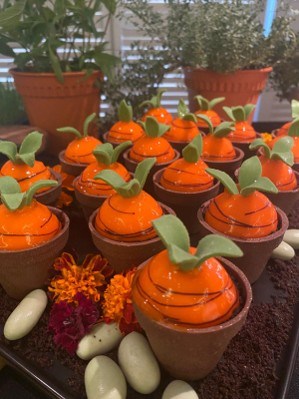
The Event Solutions team further extended this immersive approach through thoughtfully curated food and beverage experiences. The menu was designed to reflect the client’s product portfolio, with creative elements such as tomato-inspired desserts that visually mirrored featured products and reinforced the event narrative. The aromas, flavors, and surrounding environment worked together as part of a cohesive, sensory-driven experience. By engaging in multiple senses, the event enabled attendees to connect more deeply with the brand and its products, fostering stronger emotional engagement, brand affinity, and advocacy.
4. Empathy is at the heart of experiential design
This is why experiential design starts with empathy. Before choosing technology or creative concepts, successful event teams first seek to understand the audience, their needs and the emotions the event should create. The best ideas are not added for novelty. They are chosen because they support a clear business purpose.
When organisations focus not only on what attendees learn, but also on how they experience an event, they create something lasting. Long after presentations are forgotten, the feeling remains.
Contact us to discover how BCD Meetings & Events in APAC designs purposeful, sensory-led experiences that help brands engage audiences in meaningful and memorable ways.
Written by

BCD Meetings & Events
Sign up to The Point
"*" indicates required fields