
Event Communications That Drive Engagement Before, During and After an Event
EFFECTIVE EVENT COMMUNICATION KEEPS ATTENDEES INFORMED, ENGAGED, AND CONNECTED BEFORE, DURING, AND AFTER AN EVENT
Every invitation, email, app notification and follow-up shapes how attendees experience an event. Done well, communication builds anticipation, helps people feel prepared and creates opportunities to engage long after the event has ended.
The most successful event communications don’t just share information. They help people get more value from the experience.
START WITH YOUR AUDIENCE
An effective communications plan begins with understanding who you’re speaking to.
Attendees arrive with different expectations, preferences and confidence levels. While some are happy to jump into busy networking sessions, others may prefer quieter environments or more structured ways to participate. The same is true for attendees with accessibility requirements, who often benefit from receiving practical information well before the event begins.
Understanding these differences allows organizers to create more relevant communications and a more inclusive experience.
Registration forms, surveys and attendee profiling can all provide valuable insight into the topics people want to explore, the challenges they face and how they prefer to engage. That information can then shape everything from event content to networking opportunities.
BEFORE THE EVENT: BUILD CONFIDENCE, NOT JUST EXCITEMENT
Pre-event communication should do more than encourage attendance. It should help attendees feel informed and prepared.
Providing clear information about the venue, accessibility, transport, parking and the agenda removes uncertainty and helps people arrive ready to participate.
This is also the ideal time to encourage engagement. Event apps and digital platforms can allow attendees to select content streams, book one-to-one meetings and connect with others before they arrive, helping conversations start long before the opening session.
DURING THE EVENT: MAKE PARTICIPATION EASY
Once an event is underway, communication should help attendees focus on the experience rather than the logistics.
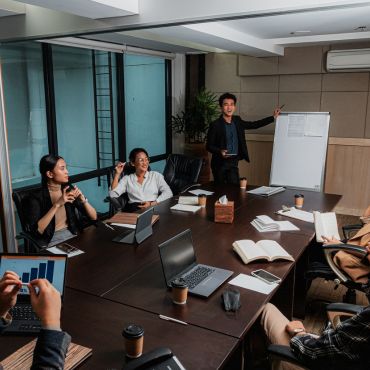
Real-time updates, clear signage and straightforward navigation all contribute to a smoother event. At the same time, technology can make participation more accessible by offering live polling, anonymous Q&A, surveys and instant feedback through an event app.
Not everyone wants to raise a hand in front of hundreds of people. Providing different ways to contribute helps more attendees take part.
The same principle applies to networking. Smaller discussion groups or facilitated conversations often encourage richer interactions than large, unstructured networking sessions.
AFTER THE EVENT: EXTEND THE VALUE
The event shouldn’t end when attendees head home.
Follow-up communication reinforces key messages and helps people turn ideas into action. Sharing presentation slides, session recordings, highlight videos and practical next steps allows attendees to revisit important content and continue learning at their own pace.
It also provides an opportunity to reach those who couldn’t attend, extending the value and impact of the event beyond the people in the room.
BETTER COMMUNICATION CREATES BETTER EXPERIENCES
Communication isn’t simply a way to tell people where to be and when. It’s an essential part of the attendee experience.
By understanding your audience, removing barriers to participation and maintaining engagement after the event, every communication becomes an opportunity to create a more valuable, inclusive and memorable experience.
FIVE WAYS TO IMPROVE YOUR EVENT COMMUNICATIONS:
- Know your audience. Use registration data and attendee insights to tailor communications and create a more personalised experience.
- Reduce uncertainty. Share practical information early so attendees know exactly what to expect before they arrive.
- Offer different ways to engage. Use technology, smaller discussions and flexible networking opportunities to make participation accessible for everyone.
- Keep communication going. Follow up with recordings, resources and next steps to maintain momentum after the event.
- Treat communication as part of the experience. Every touchpoint, from the invitation to the final follow-up, influences how attendees perceive your event.
Discover more about event communications at BCD M&E and how we can help you with your next event.
Written by

BCD Meetings & Events

Sign up to The Point
"*" indicates required fields