
How Anaheim’s Changing Landscape Reflects The Future Of Meetings
The environments surrounding meetings and conventions are evolving and destinations that were once defined primarily by venue capacity are now being evaluated by the experiences that exist beyond the exhibit hall. For meeting planners, the rise of mixed-use districts is reshaping how events are designed, how attendees engage, and how destinations compete.
Anaheim offers a timely example of this shift. Long recognized for its strong meetings infrastructure, the city is undergoing a broader transformation that reflects how the role of place itself is changing in the events ecosystem.
From venue-centric to experience-centric
Historically, meetings are structured around centralized facilities. Convention centers, headquarters hotels, and off-site venues functioned as separate components connected by transportation and scheduling. Increasingly, planners are seeking destinations where these elements exist within a cohesive environment.
Mixed-use districts combine dining, entertainment, hospitality, public space, and business activity into integrated, walkable settings. These environments support engagement before, during, and after scheduled programming, extending the impact of an event beyond its formal programming.
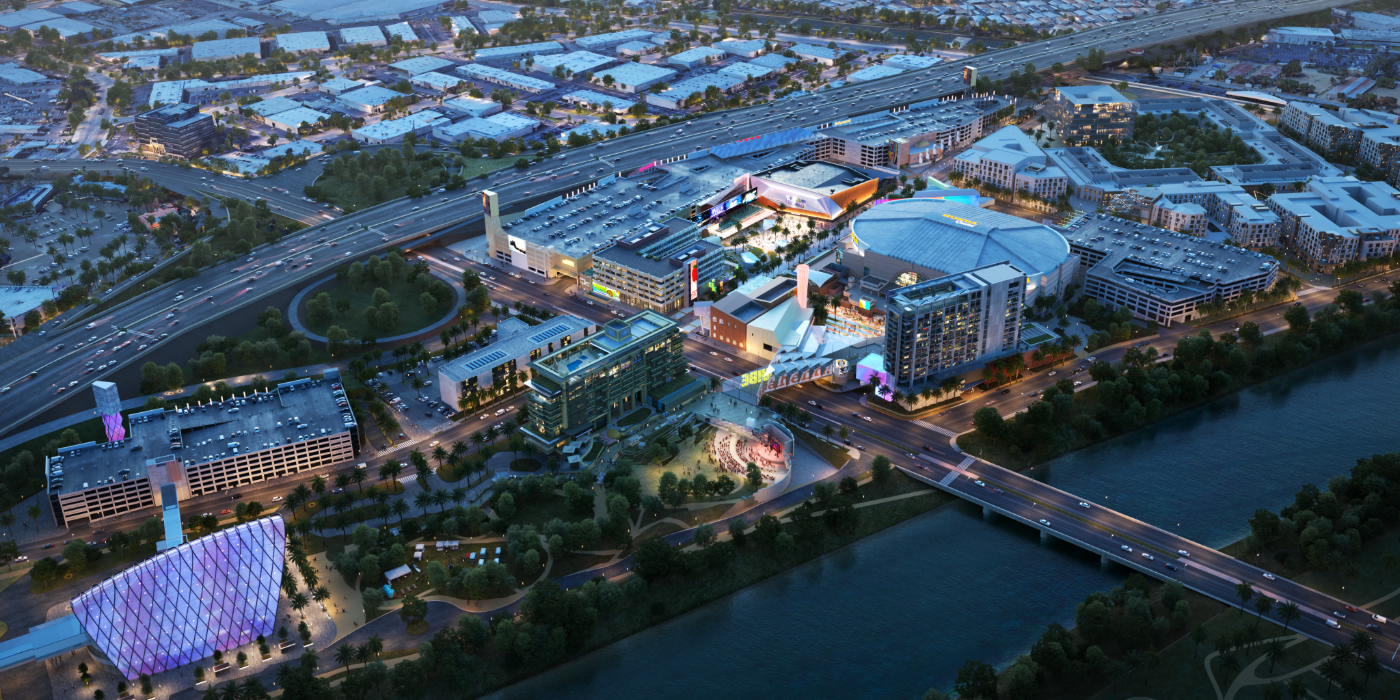
Anaheim’s evolving landscape illustrates this movement. Development initiatives across the city’s event and entertainment corridors, including the emerging OCVIBE district, signal a shift toward environments designed for continuous interaction. Layered amenities and social infrastructure are complementing the region’s established convention assets, expanding what planners can offer attendees.
The takeaway is simple: the destination itself is becoming part of the event design.
Expanding possibilities for program design
Integrated districts provide planners with tools that go beyond traditional venue selection. When amenities exist within proximity, programming can expand without adding logistical complexity.
These environments enable:
- Organic networking in shared social spaces
- Sponsor activations embedded within public settings
- Off-site receptions that feel immersive
- Event extensions that move naturally beyond formal sessions
Walkability and proximity reduce reliance on transportation while supporting fluid attendee movement. This can improve both the attendee experience and operational efficiency.
In Anaheim, continued investment in hospitality, culinary offerings, entertainment venues, and public gathering areas contributes to a more layered destination footprint. The result is greater flexibility for planners designing experiences that balance structure with exploration.
Supporting connection and discovery
Attendee expectations continue to evolve toward experiences that foster authentic connection. Participants increasingly value informal interaction, discovery, and personal engagement alongside professional development.
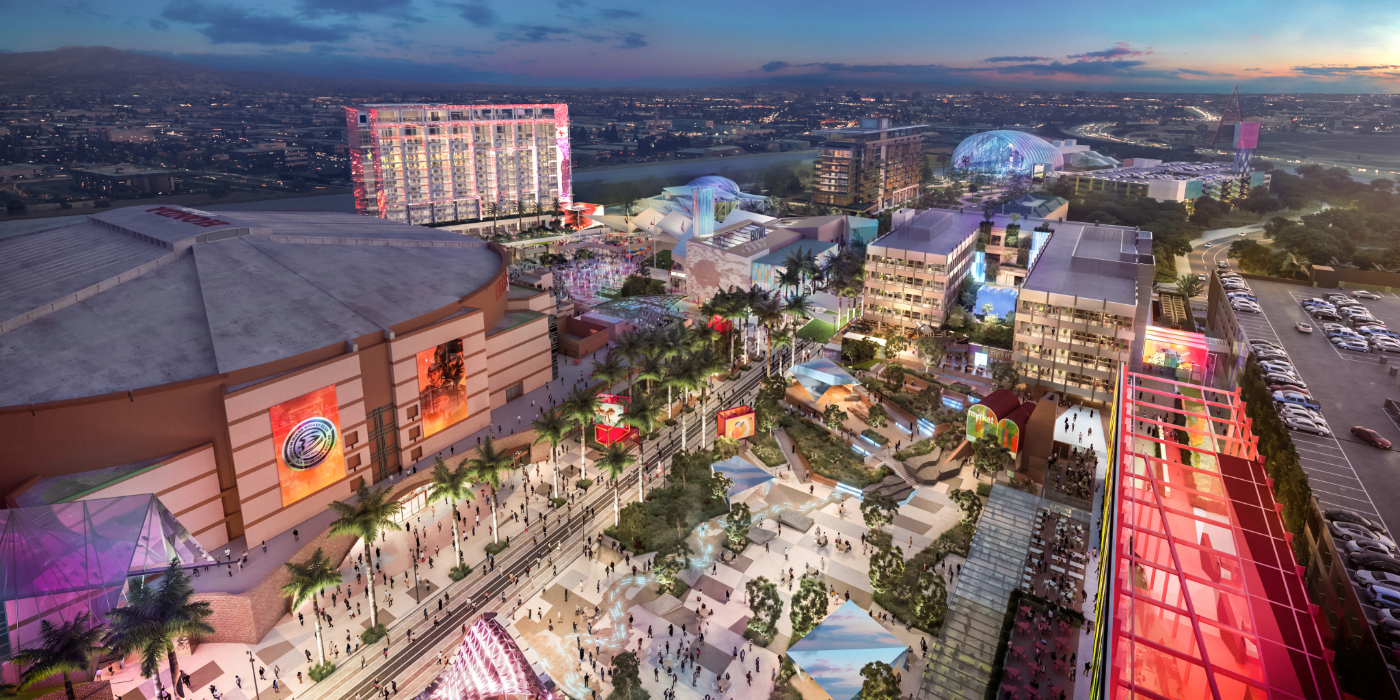
Urban design plays an important role in supporting these outcomes. Shared plazas, pedestrian pathways, and clustered activity zones encourage movement and spontaneous encounters that create more opportunities for interaction.
Anaheim’s changing landscape reflects this behavioral shift. As districts diversify and expand, they support environments where relationship-building occurs naturally. For planners, this provides the ability to design experiences that resonate on both professional and personal levels without over-engineering engagement.
Investment as a signal of commitment
The scale of development shaping Anaheim is also significant from a strategic perspective. Mixed-use investment signals long-term confidence in the destination’s role as a gathering hub.
Major redevelopment initiatives demonstrate alignment between public and private sectors around hospitality growth, visitor experience, and economic sustainability. These commitments reinforce the destination’s competitiveness while ensuring that supporting amenities evolve alongside industry expectations.
For planners, this level of investment provides reassurance that destination capabilities will continue expanding, not just maintaining relevance, but improving over time.
Looking ahead
Mixed-use districts represent more than an urban development trend, they reflect a shift in how meetings are contextualized within place. Successful destinations are increasingly those where infrastructure, experience, and environment intersect seamlessly.
Anaheim’s changing landscape illustrates this progression. As integrated districts and experiential offerings grow, planners gain access to a wider canvas for program design, blending structured event environments with dynamic social spaces.
Square footage and logistics remain essential considerations, but the surrounding ecosystem is playing a growing role in attendee perception and event impact. Understanding how destinations evolve is becoming just as important as understanding the facilities they offer.
Anaheim’s transformation demonstrates how a destination can build on a strong foundation while adapting to the expectations shaping the next generation of meetings.
Please visit our website to learn more about the latest developments happening in Anaheim, California.
Written by

BCD Meetings & Events
Sign up to The Point
"*" indicates required fields