Sustainability has become a central consideration for organizations who are planning meetings and events, but reducing carbon emissions is only one small part of the full picture. Increasingly, businesses are recognising that events that are truly sustainable should also be creating positive social and economic outcomes for the destinations in which they are being held.
Local culture has a very important role to play in achieving this. By embracing regional suppliers and cultural experiences while leaning on local expertise, event planners can create much more authentic attendee experiences while still delivering a broader and more meaningful approach to sustainability.
Why Local Culture Is Becoming Central to Sustainable Event Planning
Every region in the world is at different maturities on the topic of sustainability. Each has their own priorities and interpretations of sustainability that are influenced by a multitude of social, economic and environmental factors. These differences lead to the need for the meetings and events industry to take a more holistic approach to sustainable event planning – one that considers regional nuances and that includes a great emphasis on local culture, often delivered through structured sustainability programmes.
Sustainability Looks Different Around the World
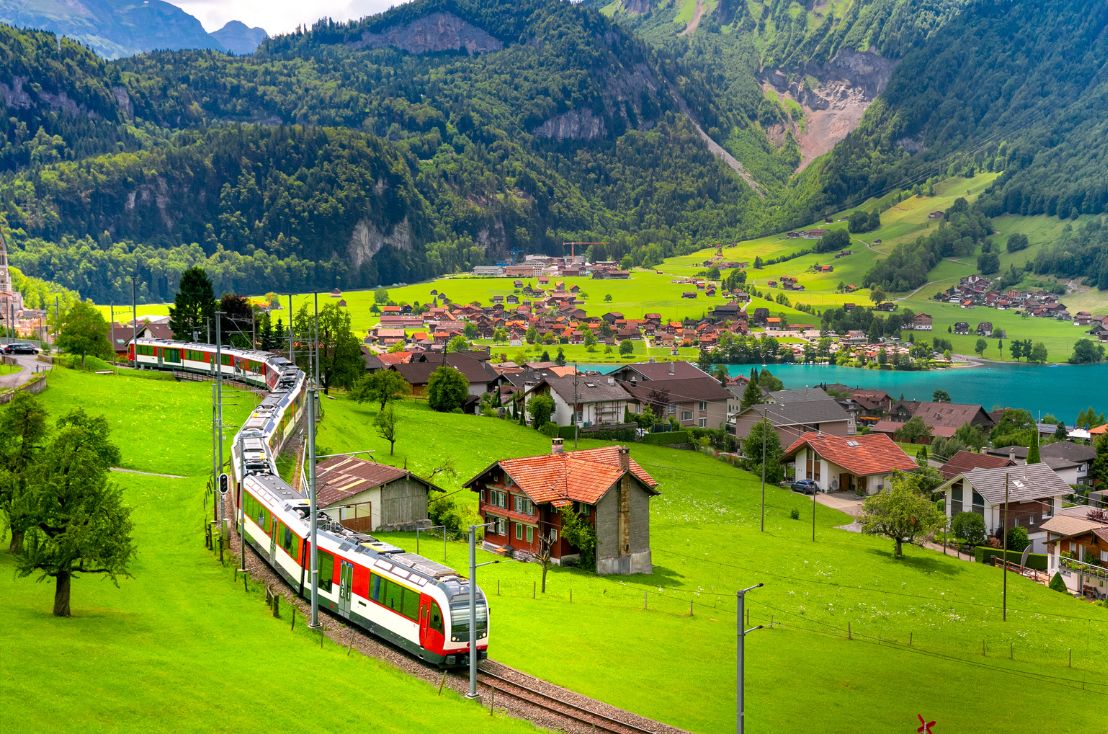
In Europe, organizations benefit from a well-developed and efficient train network that provides delegates with a convenient and eco-friendly travel option. This aligns with the region’s range of eco-conscious venue choices, which features a growing number of green-certified spaces that are equipped with renewable energy sources and waste management systems. By capitalizing on Europe’s unique transport and infrastructure advantages, event planners can offer attendees a comfortable, eco-conscious travel experience whilst also setting an inspiring example for the global industry.

In Latin America, where the conversations aren’t quite as advanced as in Europe, the focus on sustainable impact shifts internally toward the local culture and educating suppliers. As an international events team, BCD Meetings & Events shares best practices that are being delivered across other parts of the world. We’ve seen our clients’ curiosity grow over recent years, as they follow and implement more of these green initiatives. They also indicate interest in participating in events that can help the community. For example, the APAC bakery was created in 1990 as a result of a training workshop where young people with disabilities could work, giving them the opportunity for inclusion, participation and equal treatment. In the APAC initiative, clients help support those with cerebral palsy by buying their bakery products for their events and engaging in activities with them that involve our team.
Practical Ways to Incorporate Local Culture into Corporate Events
Incorporating local culture into an event goes beyond just selecting the perfect destination. Every stage of the attendee experience presents a new opportunity to support local communities while at the same time creating a more engaging and memorable event. By making thoughtful decisions all of the way through the planning process, organizations are able to deliver experiences that feel truly authentic while generating wider social and economic benefits in the process.
Practical initiatives might include sourcing catering from local producers or working with regional entertainers, along with partnering with local suppliers for event materials that reflect the destination. Event organisers can also consider community-led experiences, cultural tours or volunteering opportunities that will allow attendees to connect with the local area in a meaningful way.
These decisions not only enhance the attendee experience but also help to make sure that the economic benefits of an event remain within the local community. By embedding local culture throughout the event journey, organisations can create more distinctive events while supporting responsible business practices.

Creating a Lasting Community Impact Through Events
Successful events should always leave a positive legacy that extends right beyond the final session. By working closely with local businesses and charities, you can make sure that events have created meaningful benefits for the communities that hosted them while strengthening their own sustainability objectives.
This may have involved partnering with charitable organisations or supporting local skills programmes, while creating opportunities for attendees to contribute to community initiatives during the event. These partnerships not only provide valuable support for local organizations but also help attendees develop a stronger connection with the destination and its people.
Measuring community impact can also become an important part of evaluating each event’s success. Alongside traditional sustainability metrics, organizations may consider factors such as local supplier spend, community participation, charitable contributions and social outcomes. Taking this much broader view helps to make sure that events will create lasting value for both attendees and the destinations in which they take place.
Every culture has something different to offer and it’s evident that each region is on its own unique path, with its own opportunities and challenges in achieving sustainability goals. Amidst this diversity, BCD M&E continues to assist clients by unraveling the complexities of sustainability and by empowering events that not only align with clients’ own perspectives and priorities, but that celebrate and integrate local cultures in a powerful expression of environmental consciousness.
Looking for more insights when it comes to Global Sustainability in Business Events? Discover our approach to sustainability.