How to Effectively Use Attendee Data
Every attendee interaction can generate valuable data. Registration forms, event apps, session attendance, live polling, surveys and lead retrieval can all play their part in helping organizations understand how people engage with an event.
The challenge is turning that volume of information into useful insights. Collecting more data does not always lead to better measurement. Event teams need to understand exactly what they are trying to achieve and identify the data that can help measure those objectives, while connecting information from different technologies to build a clearer picture of event performance.
By approaching attendee data in a more strategic way, organizations can move beyond basic measures such as registrations and attendance and begin evaluating how meetings and events contribute to wider business goals
Define Measurable Event Goals
Effective event measurement starts before any data has even been collected. Event teams first need to have a clear understanding of the business objectives the meeting or event is intended to support.
Think about a trade show where the overall objective is to increase sales. Looking at sales figures before and after the event may provide useful information, but it does not necessarily demonstrate the role the event played in generating that change.
A more useful approach is to break the wider objective into more measurable components. For example, the event may aim to convert prospects into paying customers, increase the number of products that are purchased by existing customers or attract particular decision-makers and influencers.
Each of these objectives will require different attendee data and measures of success. Defining those requirements in advance allows event teams to identify the information that they need to be aiming to collect and the technology required to capture it.
Goals will vary considerably between event types. An incentive program, internal sales meeting and customer conference will each have different objectives, which means their KPIs and data requirements should be defined accordingly.
Identify the Attendee Data You Need to Collect
Once event objectives have been established, identify which attendee data can provide meaningful evidence against them. Depending on the event and its objectives, useful data could include:
- Registration data: attendee type, organization, role, interests and other relevant registration information.
- Attendance data: event attendance, session participation and other recorded interactions.
- Engagement data: event app activity, live polling, questions, content interactions or other digital engagement.
- Networking and exhibitor data: meetings, booth visits or lead retrieval activity where appropriate.
- Feedback data: attendee satisfaction, survey responses and qualitative feedback.
- Post-event data: subsequent engagement, leads, opportunities or other relevant business outcomes.
The objective should never be to collect every single data point that is available. Instead, event teams should prioritize information that contributes to a defined goal or helps answer a specific question about attendee behavior or event performance.
Connect Attendee Data Across Event Technology
Attendee data is usually generated across multiple technologies, including registration platforms, event apps, session scanning tools, lead retrieval systems, survey platforms and wider sales or marketing systems.
Connecting these different sources is a key part of effective meeting and event technology, allowing organizations to build a much more complete view of the attendee journey rather than analyzing individual interactions in isolation.
Where platforms can be integrated, attendee information can flow between systems and support more consistent reporting. Where direct integration is not possible, using a consistent unique identifier can help connect records belonging to the same attendee across different technologies.
For example, an appropriate identifier could connect registration information with session attendance, exhibitor interactions and relevant post-event business data. This allows teams to understand not just whether somebody attended, but how they engaged when they did and what happened afterwards.
Consistency is critical. If different platforms capture attendee information in incompatible formats or cannot reliably identify the same individual, building an accurate picture of event performance becomes considerably more difficult.
Match Attendee Data to Different Event KPIs
The most useful metrics will depend on what the event was designed to achieve. Rather than relying on the exact same measures for every single program, organizations should select KPIs that reflect the specific objectives that were established during the planning phase.
For a customer or sales event, this could involve connecting attendee roles, session participation or exhibitor interactions with subsequent leads, opportunities or sales activity. This can help teams with gaining a good understanding of whether the event attracted and engaged the audiences most relevant to its commercial objectives.
Other events may require very different measures. An internal meeting might keep a tight focus on participation, engagement or employee feedback, while an educational event could place more of an emphasis on session attendance, content engagement and attendee feedback.
Using several different relevant data points together can provide a more complete picture than relying on a single metric. However, event teams should avoid measuring everything simply because the technology makes it possible. The strongest reporting remains focused on the KPIs that demonstrate progress against clearly defined goals.
This broadens the article enormously without adding loads of words.
Use Attendee Insights to Improve Future Events
Attendee data should not only be used to report on what happened, it can also help event teams with understanding how future programs could be improved.
For example, analyzing which attendee groups engaged the most with particular sessions, content or experiences can help to inform future programming and audience targeting. Feedback and engagement data can highlight areas of the attendee journey that performed well or created friction.
Looking at these insights across repeat programs can be particularly valuable, allowing organizations to identify patterns and evaluate how changes to an event influence attendee behavior and business outcomes over time.
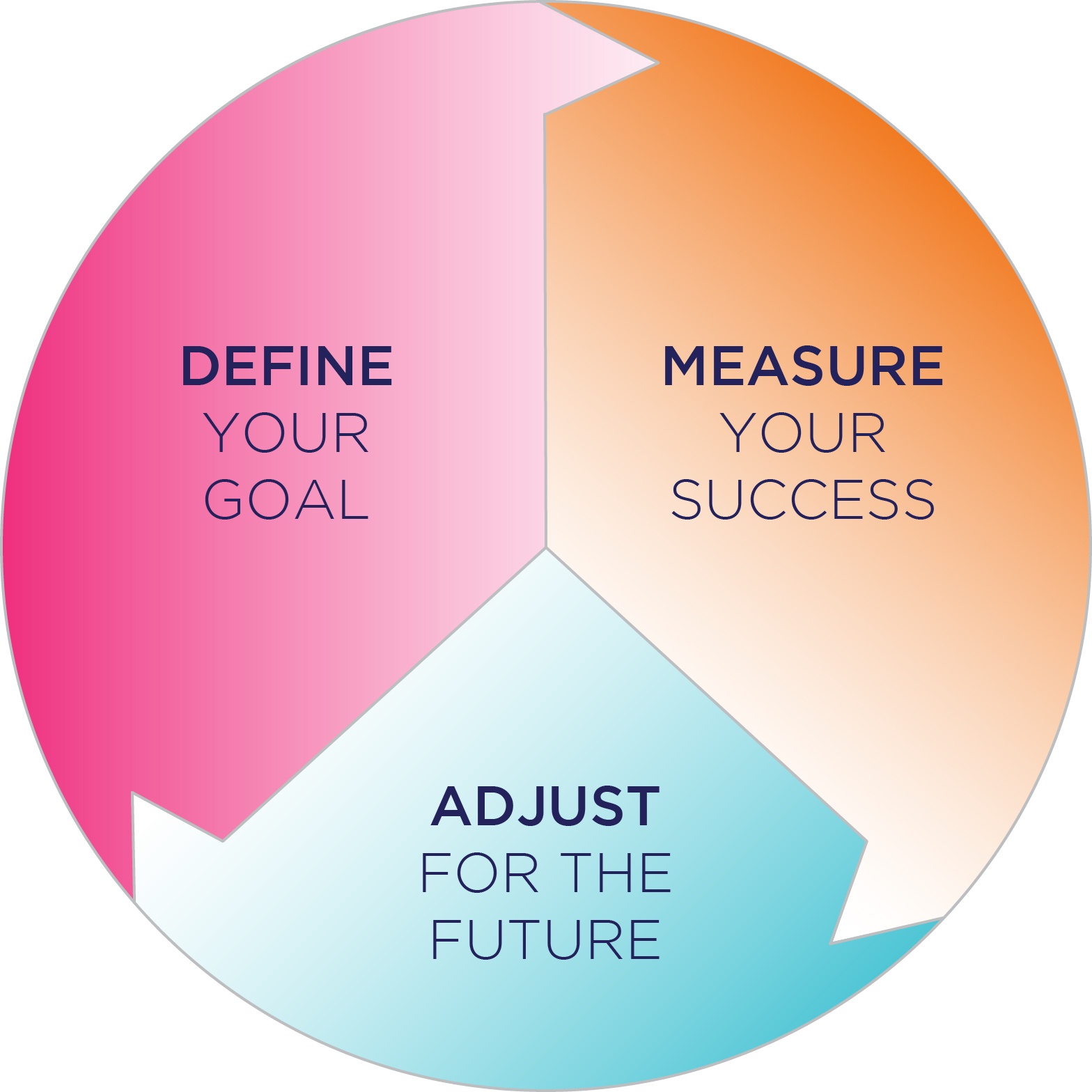
This creates a continuous cycle of defining objectives, measuring performance, identifying insights and applying those learnings to future events.
Turn Your Event Data Into Meaningful Reporting
Effective reporting should connect event metrics back to the objectives that stakeholders really care about. Rather than presenting them with large volumes of attendee data without any real context, reporting should be able to explain what the information demonstrates about event performance and where further action may be required.
Bringing relevant information together through dashboards or other reporting tools can make insights easier to interpret and share with stakeholders. This can help event teams demonstrate the contribution of meetings and events to wider organizational objectives while supporting more informed decisions about future investment.
Make Attendee Data Part of Your Event Strategy
Attendee data provides the greatest value when measurement is built into an event right from the very beginning. Defining clear objectives and identifying all of the right data points, while connecting information across the technology ecosystem gives organizations a much stronger foundation when it comes to understanding event performance.
This allows event teams to move beyond simply reporting attendance and engagement metrics towards understanding how attendee behavior connects with wider event and business goals.
As meetings technology and attendee data capabilities continue to develop, it is the organizations that take a structured approach to measurement that will be better positioned to demonstrate value and continuously improve their event programs.