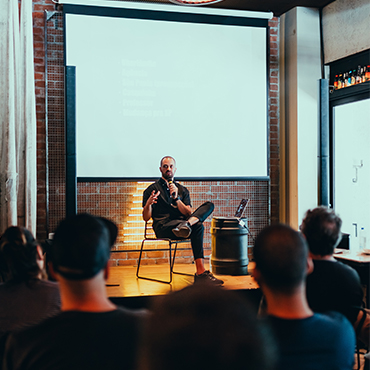
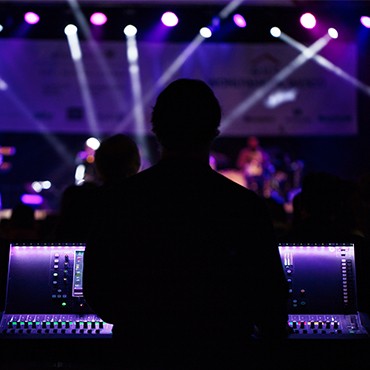
Video can play a hugely important role throughout the event journey, as it can help organizations with capturing attention and communicating key messages while creating much more engaging experiences for attendees.
From promotional content before an event starts to creative video that is used during live and virtual sessions, there are numerous ways that video can support the attendee experience. Content captured during an event can also continue to keep delivering value afterwards through social content and educational resources, along with it being used in future event promotion.
The key is to try and consider video as part of the event strategy right from the very beginning rather than just documenting what happens on the day. Here, we look at some practical ways that you can use video before, during, and after live and virtual events.
How Can Video Increase Event Engagement?
Video gives event teams another way to communicate information and tell stories, allowing them to create more emotional connections with attendees. Rather than having to fully rely on speakers or written communications, video can introduce different voices and visual storytelling, with changes of pace throughout the attendee journey.
Its role will of course depend on the objectives of the event. Video might be used to build anticipation before attendees arrive, explain an important message during a session, introduce a speaker, or extend the life of event content afterwards.
Making sure that these opportunities are planned in advance allows video to become part of the experience rather than just being used to keep a record of it.
How to Use Video Throughout the Event Journey
Pre-event
Video can help with building awareness and anticipation before an event even starts. Rather than having to fully rely on written invitations and event information, short pieces of video content can introduce the experience and can give attendees an idea of what to expect.
Pre-event video content could include:
- Short event teasers and trailers.
- Interviews with some of the speakers or hosts.
- Highlights taken from previous events.
- Animated previews of key topics or themes.
- Destination or venue content.
Video can also be created in advance specifically for use during the event. Speaker introductions and animations, along with other produced content, can be prepared ahead of time, which allows it to be incorporated into the live or virtual program.
On-site
Video can serve two different purposes during an in-person event: firstly, enhancing the experience as it happens and then capturing content that can be used afterwards.
Produced video and animation can support presentations, introduce speakers, communicate key messages or provide transitions between different parts of the program. Depending on the type of event, this can also extend to more immersive elements such as projections or interactive displays.
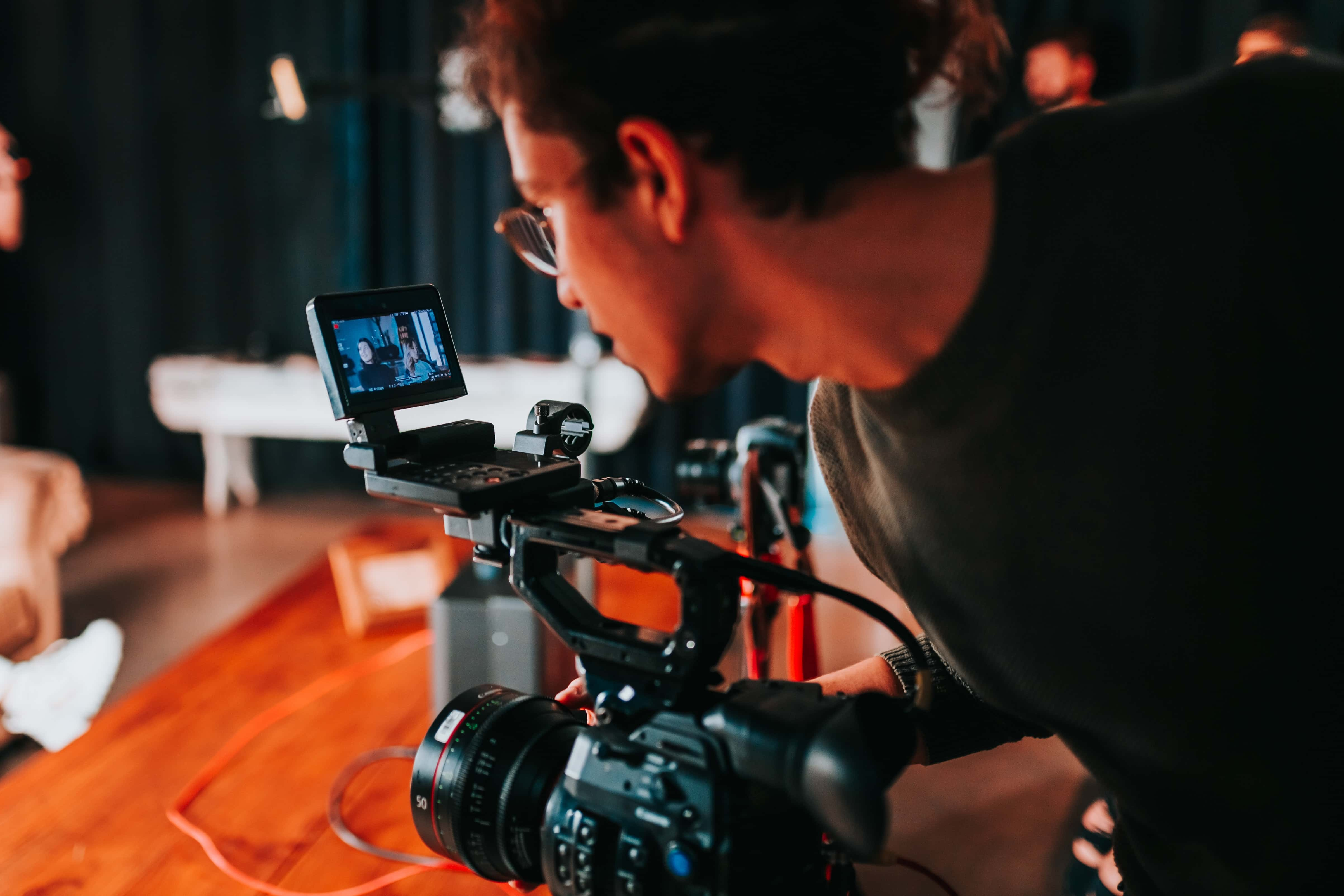
At the same time, on-site filming can capture speakers and audience reactions, including key moments from across the event. Planning this in advance helps to make sure that the production team can capture the footage that is required for highlights and social content rather than just filming whatever happens on the day.
Use Video to Connect Hybrid Audiences
Video plays a very important role when it comes to hybrid events because it helps with creating a connection between the physical event and the attendees who are participating remotely.
Cameras and live streaming should be planned around both sets of audiences so that remote attendees can clearly see and hear speakers and presentations. Equally, contributions from virtual participants should always be incorporated into the physical event where this is appropriate.
Pre-produced video can also provide shared moments that both audiences experience in the same way, which helps with creating more consistency across the live and virtual attendee journey.
Use Video to Maintain Virtual Event Engagement
Video can also help to vary the pace and format of virtual events, where attendees are experiencing the entire program through a screen.
Rather than having to rely on a continuous sequence of live presentations, always try to consider using pre-produced video alongside speakers and interactive sessions. This could include speaker introductions, animations, customer stories, or short pieces of content that introduce the next topic.
These changes of format can help create a more dynamic program while at the same time giving presenters natural transitions between different parts of the event. The objective should not be to add video just for the sake of it, but to use it where visual storytelling can communicate something more effectively or help maintain audience attention.
Post-event
Video can extend the value of an event long after the live experience has come to an end. Footage that has been captured on-site or during virtual sessions can then be edited into different formats for different audiences and channels.
A highlights film can capture the key moments from the event, while shorter clips can be created and chopped down for long-form and short-form social media, or for future event promotion. Individual presentations, interviews, or educational sessions can also be made available to any attendees who feel they would like to revisit the content or for people who were unable to attend.
Where appropriate, event footage can also be repurposed into training, educational or marketing content. For recurring events, footage from one year can help build anticipation for the next.
Thinking about all of these uses before any filming begins allows the production team to capture content with future deliverables in mind, which will increase the long-term value of the investment in event video.
Plan Event Video Around Your Objectives
The most effective event video strategies start with the purpose of the content. Before production begins, make sure that you consider what you want attendees to think and feel, while thinking exactly where video can support that objective.
Event teams should also carefully consider where the content will be used and what footage needs to be captured. Planning for pre-event, live, and post-event uses together can help create a more consistent story while making better use of the content produced.
Make Video Part of the Event Experience
Video can support every stage of the attendee journey, from creating excitement before an event to maintaining engagement during the experience and extending its impact afterwards.
The strongest results come when video is considered as part of the wider event strategy rather than as a standalone production element. By connecting video content to the audience, event objectives and overall attendee experience, organizations can use it to communicate more effectively and create moments that continue delivering value beyond the event itself.
BCD Meetings & Events’ virtual and hybrid solutions bring together creative, production and technology expertise to create engaging experiences across live, virtual and hybrid events.